Old House Plumbing in The Gap
Houses here run from 1940s weatherboard through the post-war fill to later brick-veneer, and old house plumbing in The Gap is mostly about what sits under and behind them. A licensed plumber from our team works across The Gap and the suburbs around it. Every job is done by a licensed plumber, and every visit starts with $0 call-out fees.
If we're late, $100 comes off your bill

- Licensed and InsuredEvery job done by a licensed plumber. QBCC No: 15024607
- Fixed Quote FirstFlat-rate pricing, agreed before any work starts
- Lifetime Labour WarrantyBacked by our Fix-It-or-It's-Free guarantee (T&Cs apply)
- $0 Call-Out FeesNo extra charge for nights, weekends or public holidays

The valley filled with detached family homes from the late 1950s onward, and those houses are still standing on their stumps. That history shapes every repair, every gas line and every renovation we touch.
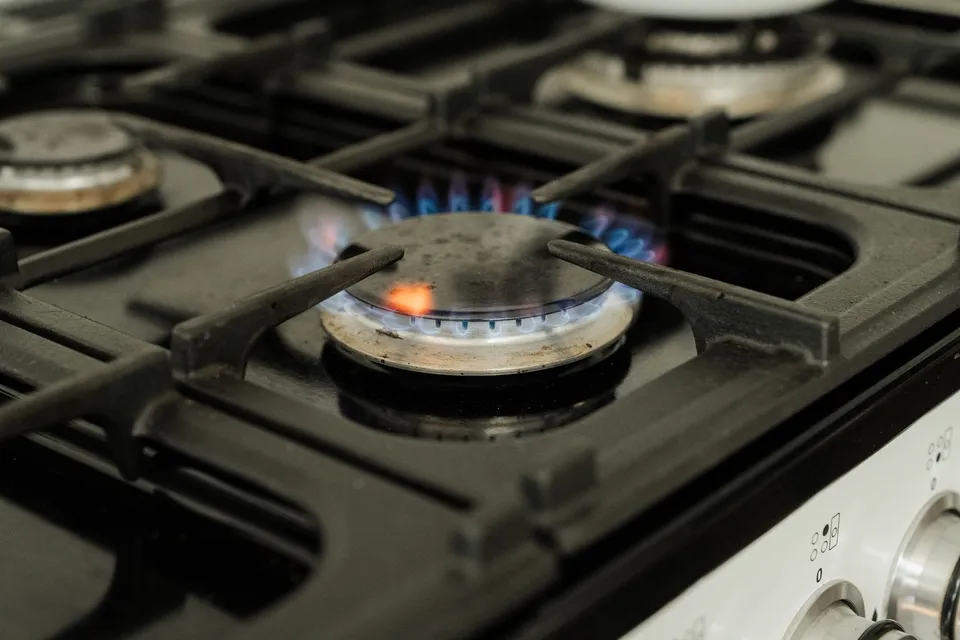
What Runs Beneath and Behind an Older Floor
A house on stumps carries its water, waste and gas lines through the open space below the floor, where a plumber can see them from underneath. A slab home is the opposite: much of the pipework sits in or under the slab and inside the walls, so reaching it means opening something up.
Either way, trouble shows itself before anything gets torn open. Look for these signs:
- wet or soft soil in a patch beneath a pipe run
- drips hanging at the joints after everything's been turned off
- rust staining on the pipes and their fittings
- damp or stained timber, and a musty smell in the underfloor space
Under the Plumbing and Drainage Act, an owner has to take every reasonable step to keep the pipes and drains at their premises sound and working properly. Catching a damp patch early keeps that duty small.
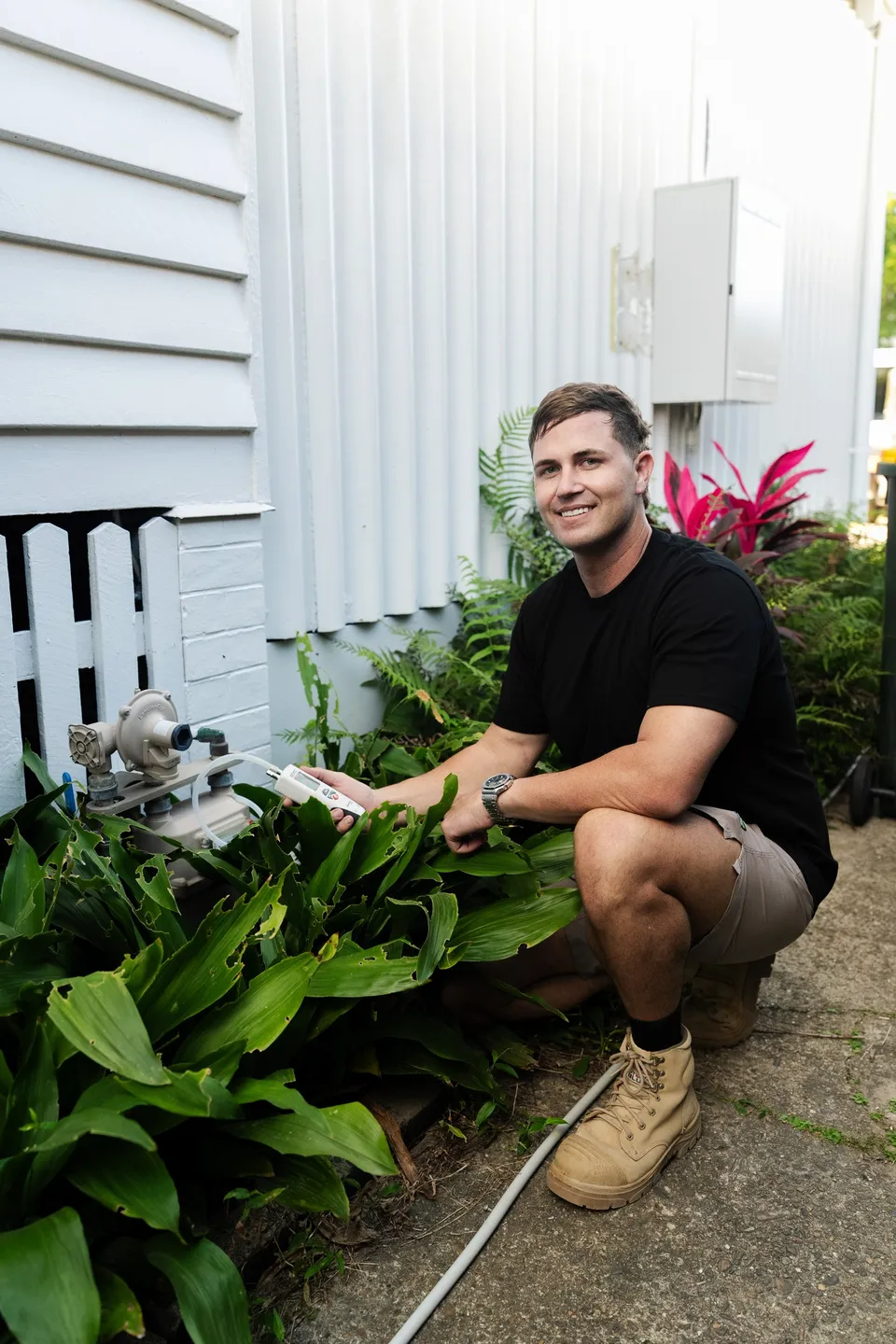
When Old Gas Pipework Needs a Gasfitter
Only a licensed gasfitter may install, alter, repair, service or test a gas system, its pipework and its connections. Anything on the gas side of an old house belongs to licensed hands alone.
The Queensland Government advises owners to check their gas system regularly for corrosion, deterioration or damage, and to keep combustible materials clear of appliances. Two rules matter here:
- A defect notice follows any safety concern a gas worker finds in a system, unless the fault is fixed on the spot.
- If you ever smell gas, turn the appliance off, open the doors and windows, and leave every electrical switch alone. Shut the supply at the meter or bottle if the smell stays and call for help, or 000 if it persists.
Our gas fitter services page covers the compliance side of that work in more depth.
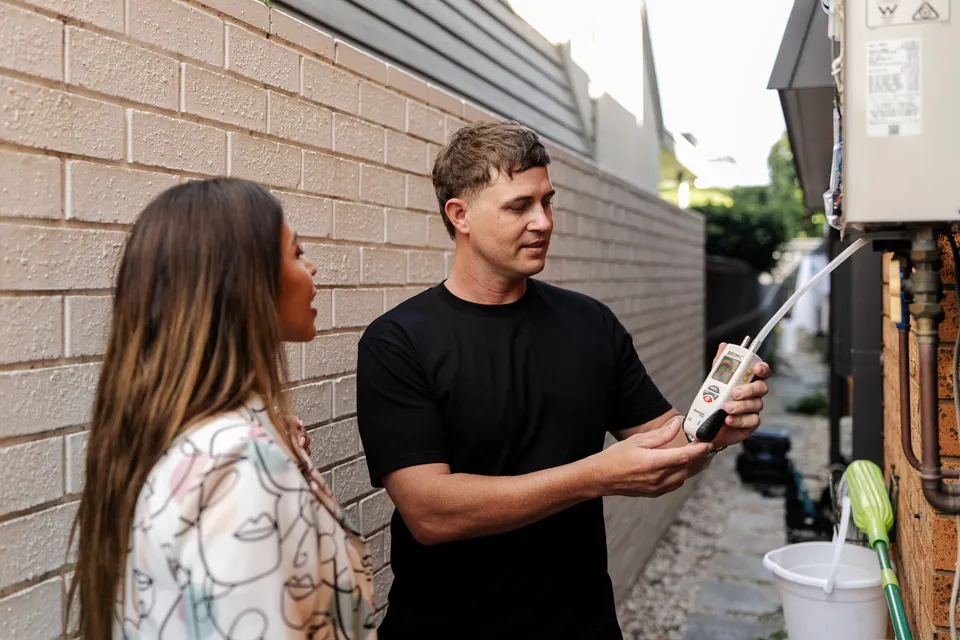
Galvanised Pipes and the Signs They Are Failing
Galvanised steel pipe is steel with a zinc coating, and once the coating wears the steel rusts from the inside. That failure shows up as rusty water, weak flow and leaks that keep coming back along the same run.
Three signs point at the material rather than a single worn fitting:
- rusty or brown water, especially first thing in the morning
- weak flow at several taps at once, not just one
- a leak repaired on a stretch of pipe, followed by another leak nearby
One more age marker sits in the joints. Solder containing lead was standard on copper pipe joints and brass fittings across Australia until 1989, so the vintage of the water service is worth a thought in a pre-1990 house. A plumber verifies the pipe material and its condition on site, and our water pipe repairs page covers what a full replacement involves.

Before You Open Up the Walls of an Old House
Most renovation plumbing in an older home is notifiable work: no council permit, and the plumber lodges a Form 4 with the QBCC afterwards. That covers kitchen and bathroom renovations and new or relocated fixtures. The Form 4 goes in within 10 business days, and you get a copy.
The Regulation counts a building as existing when drainage and a water supply are both in place, which covers nearly every house in this suburb. A few triggers change the category or add steps:
- Where the home shares a combined drain or has a dual-reticulated supply, the job shifts into permit work, and the plumber applies to council before starting.
- Every new or replacement water heater needs a temperature control device holding the water at the taps to 50°C or below. A new hygiene fixture such as a shower calls for one too, while a tap washer or shower head swap does not.
- A permit attaches to the premises, so one from earlier work binds you, any later owner and any occupier.
- You can search your address on the QBCC's register for notifiable work and request a copy of a Form 4 you never received.
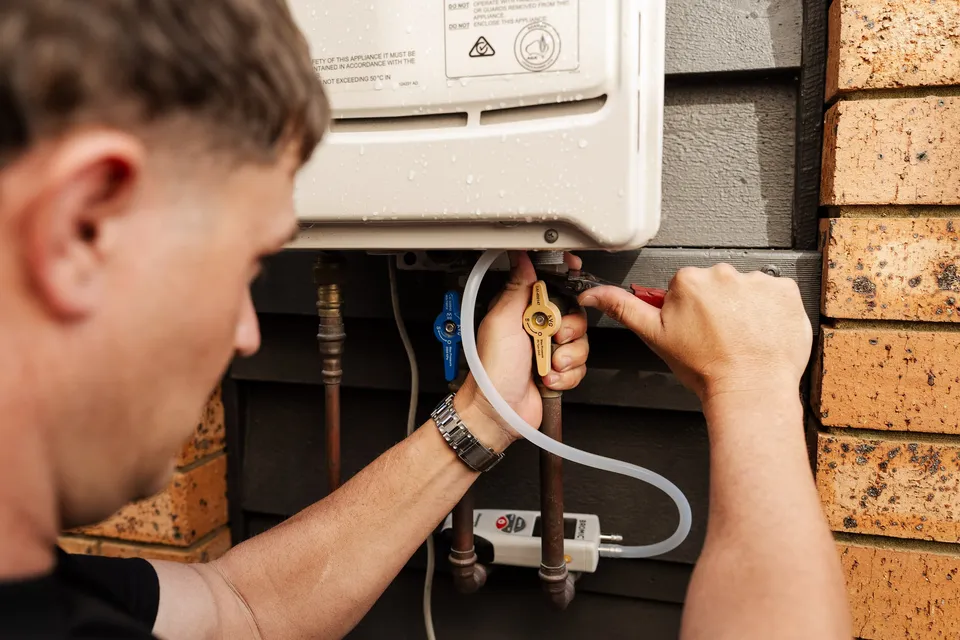
What The Gap's Older Blocks Add to the Job
Two local conditions turn up in older-home work here. Some early houses from the late-1950s boom began on septic tanks while Brisbane was still rolling sewerage out. An old tank or absorption trench can still lie buried in a yard and surface during a dig.
The other is the ground itself. Stony hillside soil with granite close under the surface makes trenching under an old stumped house slower work than it looks from above.
If a buried tank or a subfloor drip has your attention, our leak detection page explains how we trace water you can't see. The emergency plumber page is the one for anything that can't wait until morning.
How We Work on an Older Home
- 1

Get in touch
Call (07) 3524 7137 or send a quick message about the job in The Gap, and we'll ask what we need to know.
- 2

We look at what the house shows us
For an older place we get under the floor where the stumps allow, check the pipe material at the meter, and listen for drips with everything switched off. Old gas fittings get a corrosion check while we're there.
- 3
Sign off the quote
You'll see a fixed quote before any work starts, with flat-rate pricing and no hidden fees. The job starts when you're happy with it.
- 4

Pay once it's done
Pay by card or EFTPOS on site after the work's finished, or choose Fix now, pay later.
Plumbing job in The Gap?
$0 call-out fees, available 24/7, and same-day where we can.
Older Home Plumbing Questions From The Gap
Call (07) 3524 7137What is different about plumbing in an older The Gap home?
Decades of patching leave a mixed system: pipe materials of several vintages, underfloor runs in a stumped weatherboard, older gas fittings, and renovation rules that start when walls open. A licensed plumber confirms both material and condition on site.
How do I check the plumbing in an old house?
Start with what shows: damp patches, wet soil, stains and rust on pipes and fittings, discoloured water, weak flow and drips under the floor. A licensed plumber checks the rest, and our leak detection page explains the meter test with nothing in use.
Why is the water rusty in my older The Gap home?
Rusty or brown water is the classic sign of galvanised steel corroding internally, though a plumber confirms the cause on site before anything is replaced. The replacement side sits on our water pipes page.
Does renovating my The Gap home need a plumbing permit?
No, not for the plumbing itself. The work is notifiable, so a licensed plumber does it without a council permit and lodges a Form 4 with the QBCC. A permit applies only where the home shares a combined drain or runs on a dual-reticulated supply.
Do plumbing renovations in old houses cost more?
Yes, they can, for two reasons: how easily the old pipework can be reached under floors and behind walls, and what condition we find once it's open. Asbestos precautions in a pre-1990 house may add cost too. The fixed quote sets the price before work starts.

Talk to Us About Your Older HomeWe'll call you back.
Book on (07) 3524 7137 for plumbing anywhere in The Gap. We're available 24/7, there's no extra charge for nights, weekends or public holidays, and every job comes with $0 call-out fees.
To claim your $0 call-out fee, call (07) 3524 7137 today.