Tap Repairs in The Gap
A search for tap repairs The Gap usually means one of two jobs: a fresh washer in an older two-handle tap, or a new cartridge in a mixer that has stopped sealing. Every job is done by a licensed plumber, and you see a fixed quote before any work starts.
If we're late, $100 comes off your bill

- Licensed and InsuredEvery job done by a licensed plumber. QBCC No: 15024607
- Fixed Quote FirstFlat-rate pricing, agreed before any work starts
- Lifetime Labour WarrantyBacked by our Fix-It-or-It's-Free guarantee (T&Cs apply)
- $0 Call-Out FeesNo extra charge for nights, weekends or public holidays
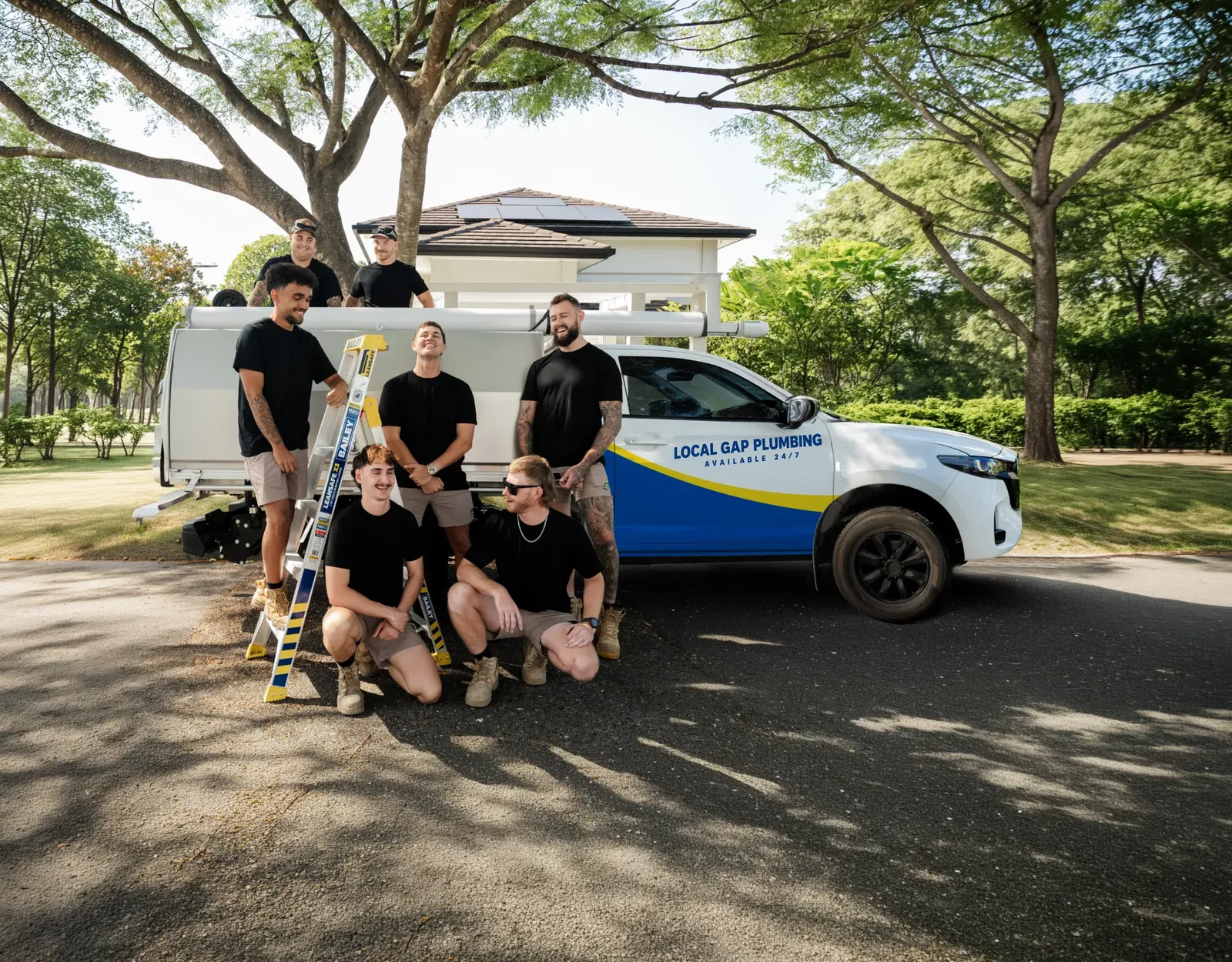
The housing runs from 1940s weatherboard to 2000s brick, so The Gap mixes original garden-variety taps with bench mixers on the same street. Our tap and toilet plumbing page lists the full range of fixture work we take on.
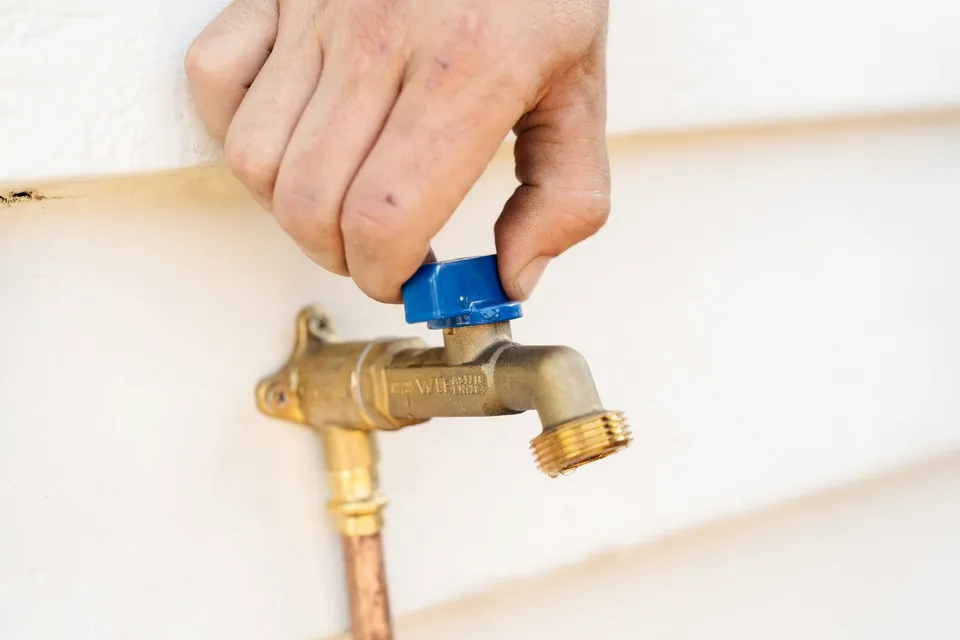
Washer Taps and Ceramic Disc Mixers Compared
Two tap types seal in two different ways: a washer tap uses a rubber washer pressed against a valve seat, while a mixer relies on a ceramic disc cartridge. Knowing which one sits on your bench tells you what the repair involves.
The washer tap
Hot and cold each get their own handle, and each handle turns several full rotations to close. A spindle inside rises and falls as you turn, and the washer at its base does the sealing.
The jumper valve
The jumper valve is the small carrier under the spindle that lifts the washer and drops the washer back onto its seat. Wear on either part shows up as a drip or a handle that spins without gripping.
The mixer
One lever blends hot and cold through a quarter turn. Inside, two ceramic discs slide across each other to open and close the flow, and when those discs wear, the whole cartridge is swapped for a new one.
The replacement cartridge has to match the tap's make and model exactly, because sizes and fittings differ between brands. A near-enough cartridge will leak from day one.
Where the Leak Shows and What It Means
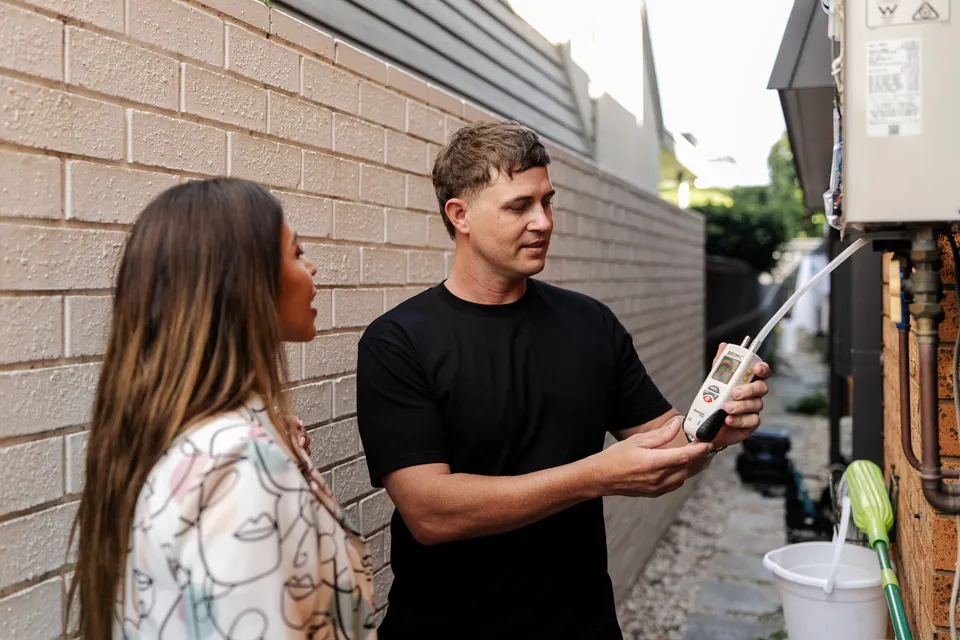
Where the water appears narrows the fault before anything comes apart. Each exit point points to a different part.
Dripping from the spout
, even with the tap fully closed: the sealing part has gone, meaning the washer or seat on a washer tap, or the cartridge in a mixer.
Water around the handle or up the spindle
a perished O-ring or a worn spindle seal, which leaks while the tap is running.
A wet base or water under the bench
O-rings gone soft, a connection that has loosened, or a cracked body.
A stiff or sticking handle means grit or wear inside the cartridge or spindle, even while the tap still seals.
Shut-off points matter here too. If the fixture has no isolation valve of its own, the stop tap at the meter closes clockwise. Check first that no appliance, such as the hot water system, depends on that supply while the tap is apart.

What Decides Repair or Replace
The price of a tap repair turns on five things: the tap type, the part it needs, and the state of the seat and body. Access to the fixture's shut-off and the number of taps in one visit round out the list. You get the figure in a fixed quote once we've seen the job, and flat-rate pricing means no surprises on the invoice.
Repair stops being the answer in three cases:
- the tap body is cracked or heavily corroded;
- the valve seat is damaged beyond re-facing;
- the drip carries on after new washers or cartridges have been fitted.
Those cases point to a new tap, and our tap replacement page covers choosing and fitting one. A cistern that runs all night is a different fault again, and our toilet repairs page deals with it.
Who May Repair a Tap in Queensland
The QBCC allows one tap task as unregulated work: replacing a tap jumper valve or washer, which anyone with the know-how may do, provided the result complies with the standards. Everything past that short list belongs to a licensee.
Replacing a whole tap is licensed work; the QBCC guide uses that job as its own example of work outside what a home owner may do. Repairing or replacing a tap fitting counts as minor work, so a QBCC licensee does the repair without a permit and without a Form 4, which keeps the visit to a single appointment.
Renters have their own path. A dripping tap is not on the Act's emergency list, so the repair counts as routine: the tenant tells the owner or manager, who must arrange the work within a reasonable time. If nothing happens, a Form 11 notice gives the owner or manager seven days or more to remedy the breach.
An Older Suburb With Mixed Fittings
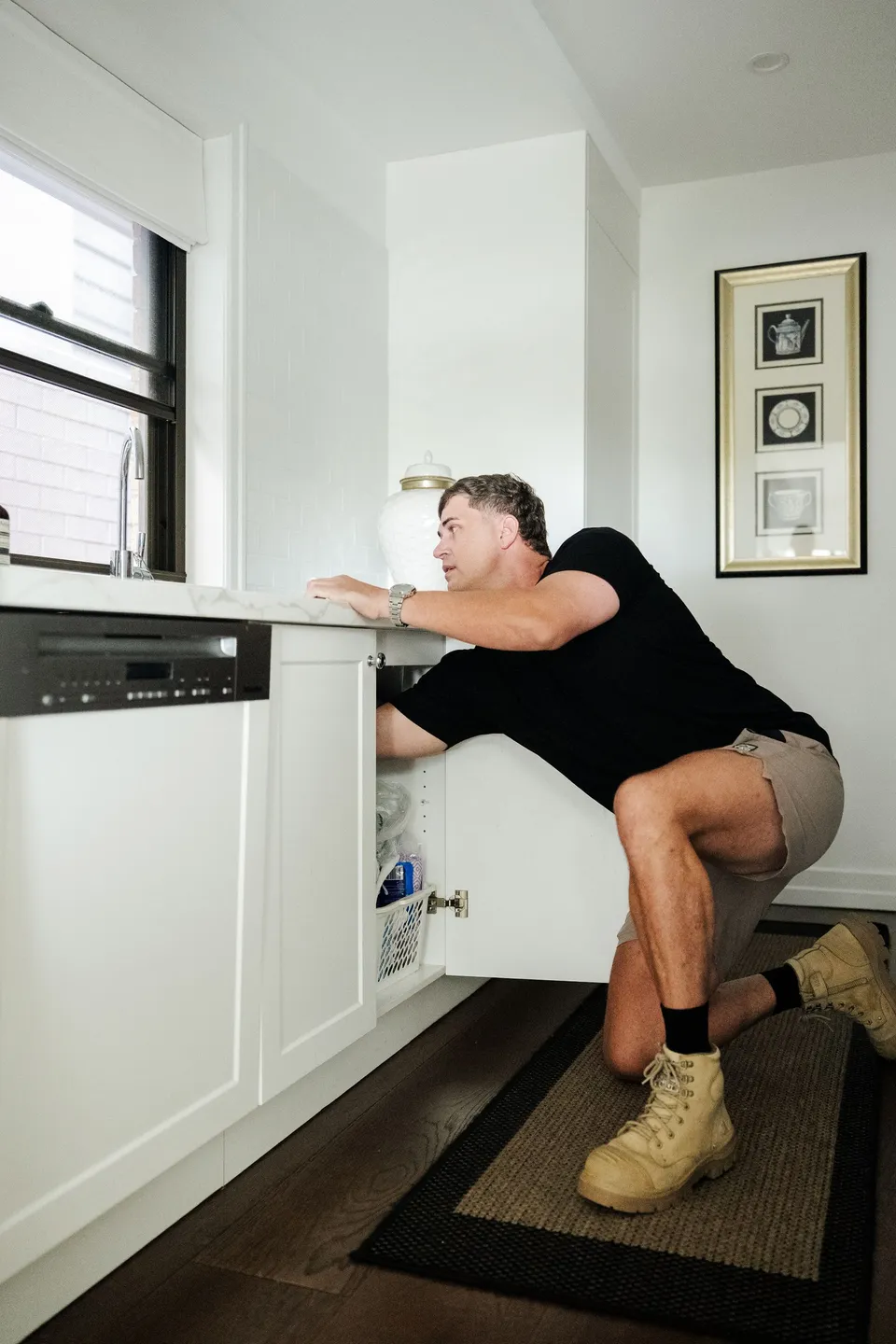
Most of the taps we see here belong to the 1960s and 1970s family-home belt, in fibro and weatherboard houses that have seen a bathroom update or two. Original two-handle taps from those decades often sit beside a mixer fitted in a later reno, so a single kitchen can hold both repair types at once.
Newer work is arriving too. Area-level figures put population growth at 4.6 per cent over five years, with 245 dwellings approved across the same span, so fresh fittings join the old stock each year. A slow drip wastes thousands of litres over a year, and every drop still runs through the Urban Utilities meter, so early repairs pay for themselves on the bill.
How a Tap Repair Visit Works
- 1

Get in touch
Call (07) 3524 7137 or send a quick message about the job in The Gap, and we'll ask what we need to know.
- 2

We strip and diagnose the tap
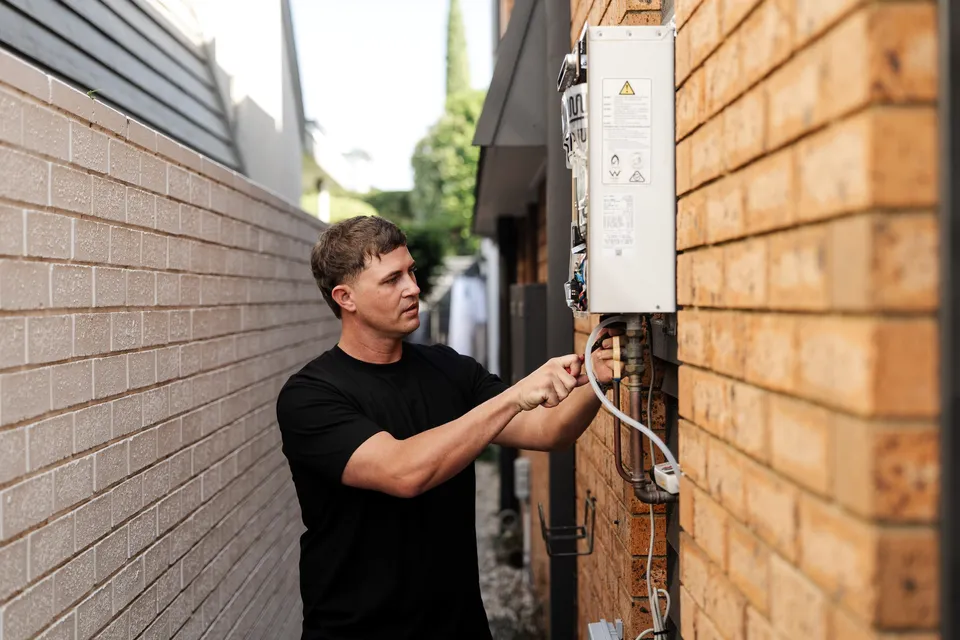
We isolate the fixture, take the tap down to its parts on the bench or wall, and work out whether the fault sits with a washer, an O-ring, a spindle or the cartridge itself. Seats get checked for scoring while the tap is open.
- 3
Sign off the quote
You'll see a fixed quote before any work starts, with flat-rate pricing and no hidden fees. The job starts when you're happy with it.
- 4

Pay once it's done
Pay by card or EFTPOS on site after the work's finished, or choose Fix now, pay later.
Plumbing job in The Gap?
$0 call-out fees, available 24/7, and same-day where we can.
Tap Repair Questions From The Gap
Call (07) 3524 7137Why is my tap still dripping in The Gap when it's turned off?
The part that seals the water has worn out. On a two-handle tap that means the washer or the seat it presses against; on a mixer it means the ceramic disc cartridge. A scored seat will keep a fresh washer dripping, so both need checking before the tap is rebuilt.
What makes a mixer tap leak around the base?
Water pooling at the foot of a mixer usually comes from three places: perished O-rings, a connection under the bench that has worked loose, or a cracked body. We isolate the fixture, dry everything and trace the water to its source before quoting the fix.
Can I change a tap washer myself in The Gap?
Yes, but only for the washer. The QBCC classes that single swap as unregulated work, so a capable home owner may do it, provided the result still complies with the standards. Swapping the whole tap for a new one is licensed work and needs a plumber.
Is replacing a ceramic cartridge a licensed job in The Gap?
Yes, because cartridges sit outside the QBCC's unregulated list, so the repair counts as minor work done by a licensee. No council permit applies and no Form 4 is lodged, so the job fits into one appointment.
Will turning the tap off harder stop the drip?
No, and it usually makes things worse. Forcing the handle down grinds the washer into the valve seat, wearing both faster and sometimes scoring the seat beyond rescue. The worn part needs replacing, not more pressure from your hand.
Call Us About Tap RepairsWe'll call you back.
Book on (07) 3524 7137 for plumbing anywhere in The Gap. We're available 24/7, there's no extra charge for nights, weekends or public holidays, and every job comes with $0 call-out fees.
To claim your $0 call-out fee, call (07) 3524 7137 today.