Gas Cooktop Installation in The Gap
Your new gas cooktop earns its place on the bench only once a licensed gasfitter has connected, tested and certified it. Gas cooktop installation in The Gap is work we do week in, week out, on cooktops, ovens and heaters running natural gas or LPG.
If we're late, $100 comes off your bill

- Licensed and InsuredEvery job done by a licensed plumber. QBCC No: 15024607
- Fixed Quote FirstFlat-rate pricing, agreed before any work starts
- Lifetime Labour WarrantyBacked by our Fix-It-or-It's-Free guarantee (T&Cs apply)
- $0 Call-Out FeesNo extra charge for nights, weekends or public holidays
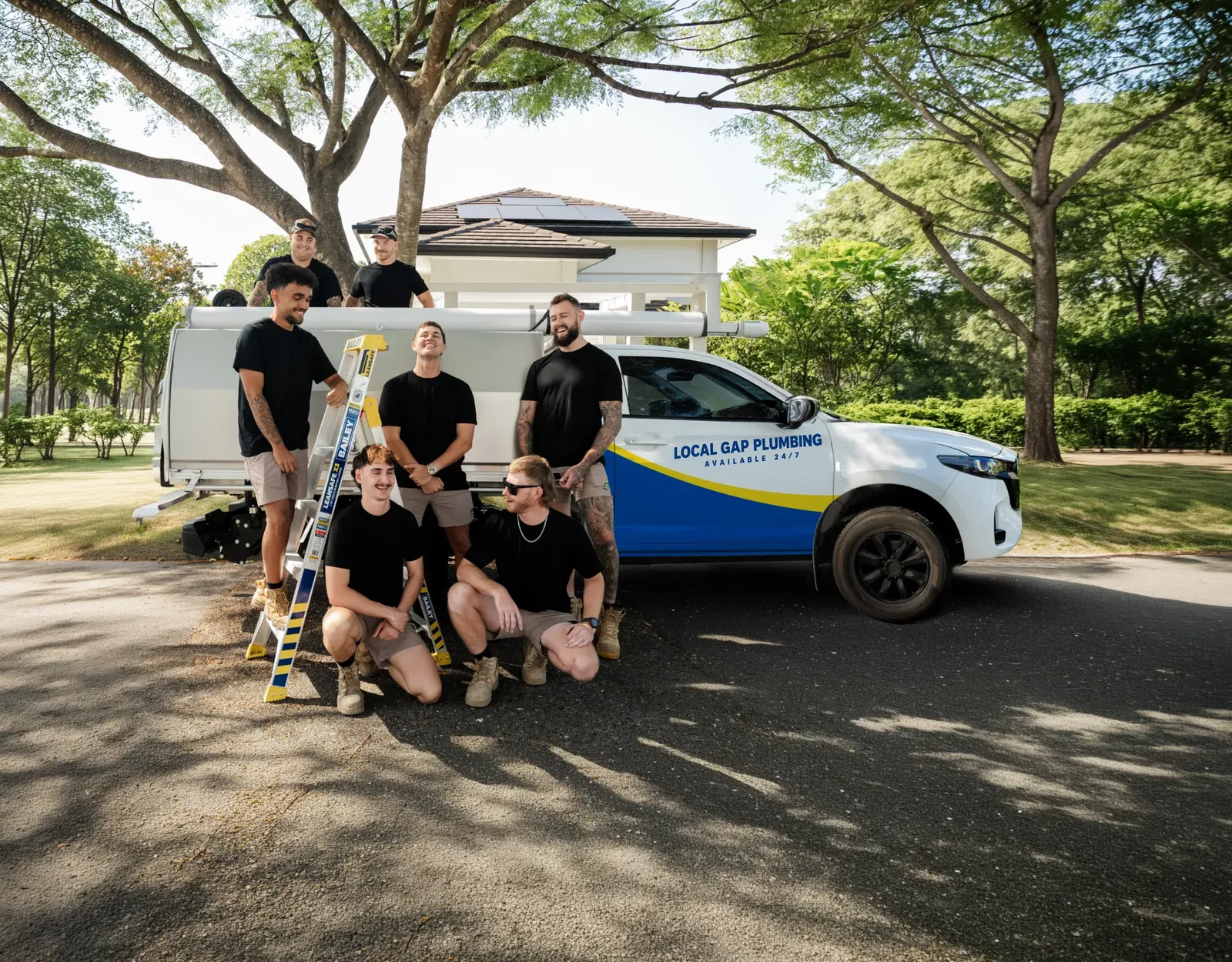
Every job is done by a licensed plumber holding the gas work licence this work needs. You can see the full gas fitting service, or start back on The Gap for everything else we do.
The visit itself comes down to three parts. The gasfitter connects the appliance to its point as the maker's installation sheet directs, leak tests every new joint, and certifies the result before leaving.
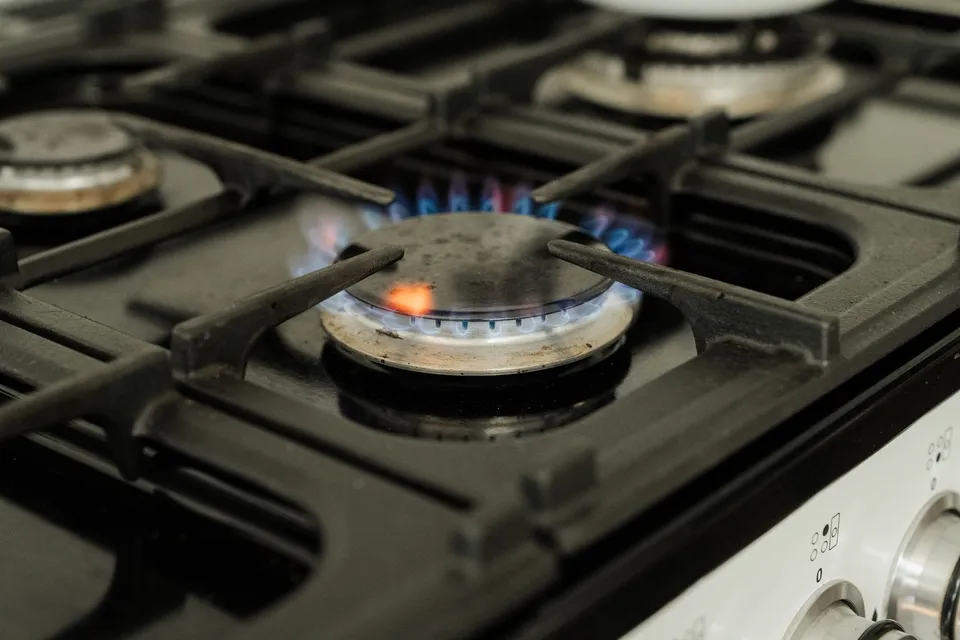
Can You Install a Gas Cooktop Yourself
No, an owner cannot lawfully install a gas cooktop. Queensland gives gas work to licensed gasfitters only, and connecting an appliance sits squarely inside that definition.
The definition reaches a long way. It covers putting a gas system in, taking it out, altering it, fixing it, servicing it, testing it and signing it off, along with the pipework and connections belonging to it.
That scope catches the jobs people assume are simple. Swapping an old cooktop for a new one, converting between fuels and moving a connection to a different bench position are all licensed work.
Before anyone starts, ask the person to show you their gas work licence. Queensland's own gas safety advice recommends exactly that check. If you already suspect a leak rather than a straightforward install, start on our gas leak repairs page instead.
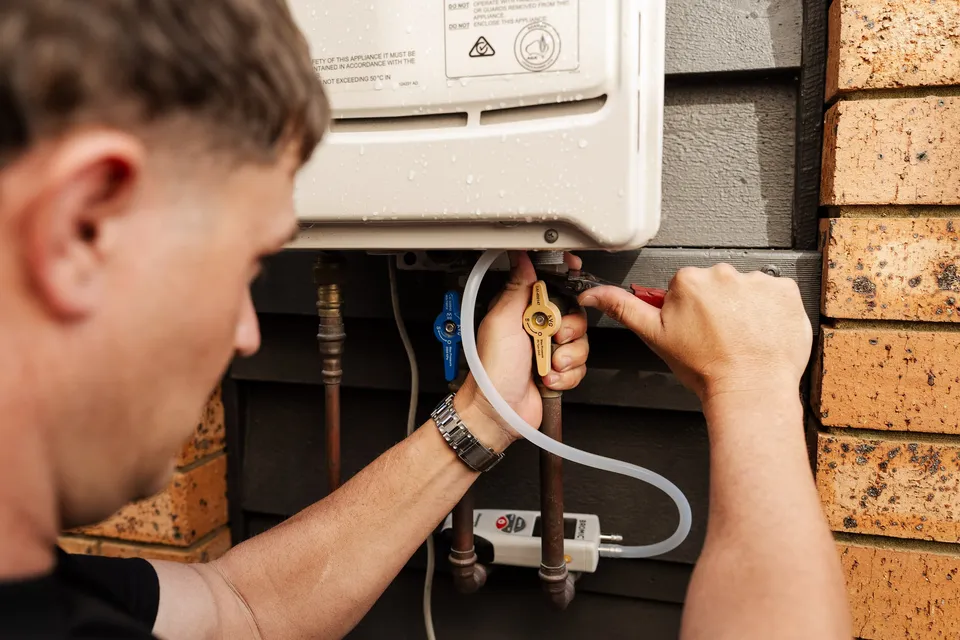
What a Gas Appliance Installation Involves
An installation comes down to four stages: the connection, the clearances, a leak test and the certification.
The connection
The gasfitter joins the cooktop, oven or heater to its point, working to the installation sheet that arrives with the appliance.
The clearances
The manufacturer's instructions fix the spacing to the rangehood, the cabinetry and anything combustible nearby, and those numbers govern the fit.
The leak test
Every new joint is leak tested before handover.
The paperwork
Straight after finishing, the licence holder gives you the compliance certificate confirming the installation meets the rules. File it with the house papers.
A bench cooktop, a built-in oven and a freestanding cooker hook up differently, and extra burners or an oven in the unit change what the job involves. The installation sheet governs the details in each case. For a heater or barbecue point out on the deck, our gas bayonet installation page covers those fittings.

What Your Gas Supply Means for the Job
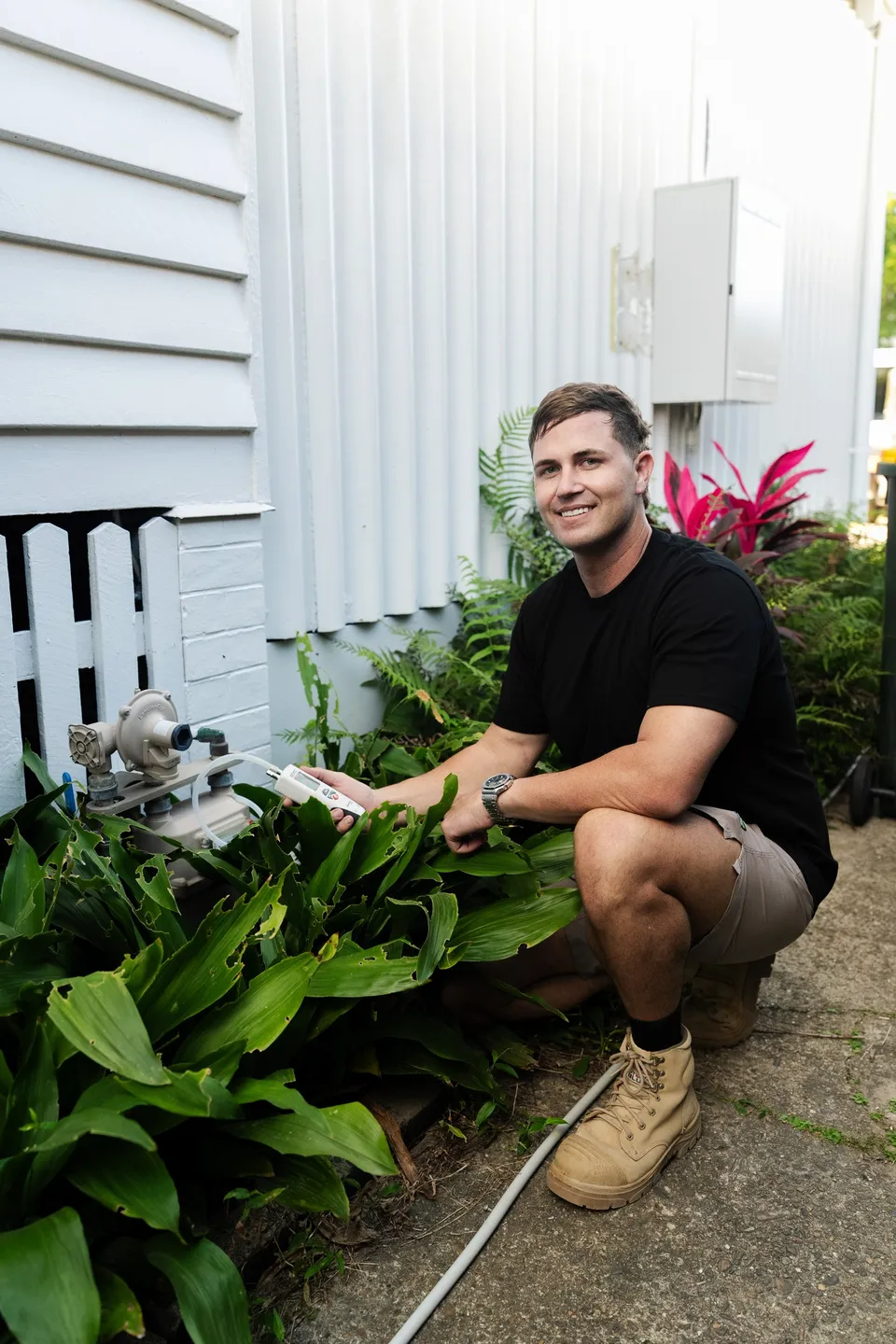
Before the new appliance goes in, the licence holder has to be sure the supply will meet the added demand. Three things get looked at:
How the LPG cylinders are stored and their vaporisation rate
, where the home runs on bottles or a tank.
The meter's capacity
, where the home sits on a piped street network.
Pipe sizing
, so the line feeds the new appliance without starving the others.
Fuel type matters as well. Homes get gas one of two ways: through a meter on a piped network, or from bottles or a tank of LPG.
An appliance comes from the factory configured for one fuel, so a cooktop moving between a natural gas house and an LPG house needs converting first. The conversion is gas work, done with the manufacturer's kit for that model and tested afterwards. Our page on LPG vs natural gas explains how the two fuels differ.
There's a notice rule as well. A licence holder must inform the gas network operator before fitting an entirely new gas system on a metered supply, and again whenever a job adds demand of 100 megajoules per hour or above. The notice names the work and the extra load expected.
Safety Features to Look for When Buying
Look for three things when you shop: the approval badge from the national gas device scheme, flame failure protection, and automatic reignition.
The badge
proves the appliance passed the checks required under Australia's national scheme for gas devices.
Flame failure protection
shuts the gas off if the burner blows out.
Automatic reignition
lights the burner again without you touching anything.
Ask about all three at the shop, before money changes hands. A cooktop carrying those features is the safer buy.

Costs Beyond the Appliance Itself
What you pay comes down to the gas point, the appliance itself, the checks on supply and whether a conversion is needed. No dollar figure can be quoted sight unseen, because those drivers vary house to house.
Swapping onto an existing point takes far less pipework than running a new line out from the meter, or standing up a new LPG cylinder setup. The checks happen either way, and a conversion adds the manufacturer's kit plus the testing afterwards. You get a fixed quote before any work starts, with flat-rate pricing and no hidden fees.
Kitchens We See in the Valley
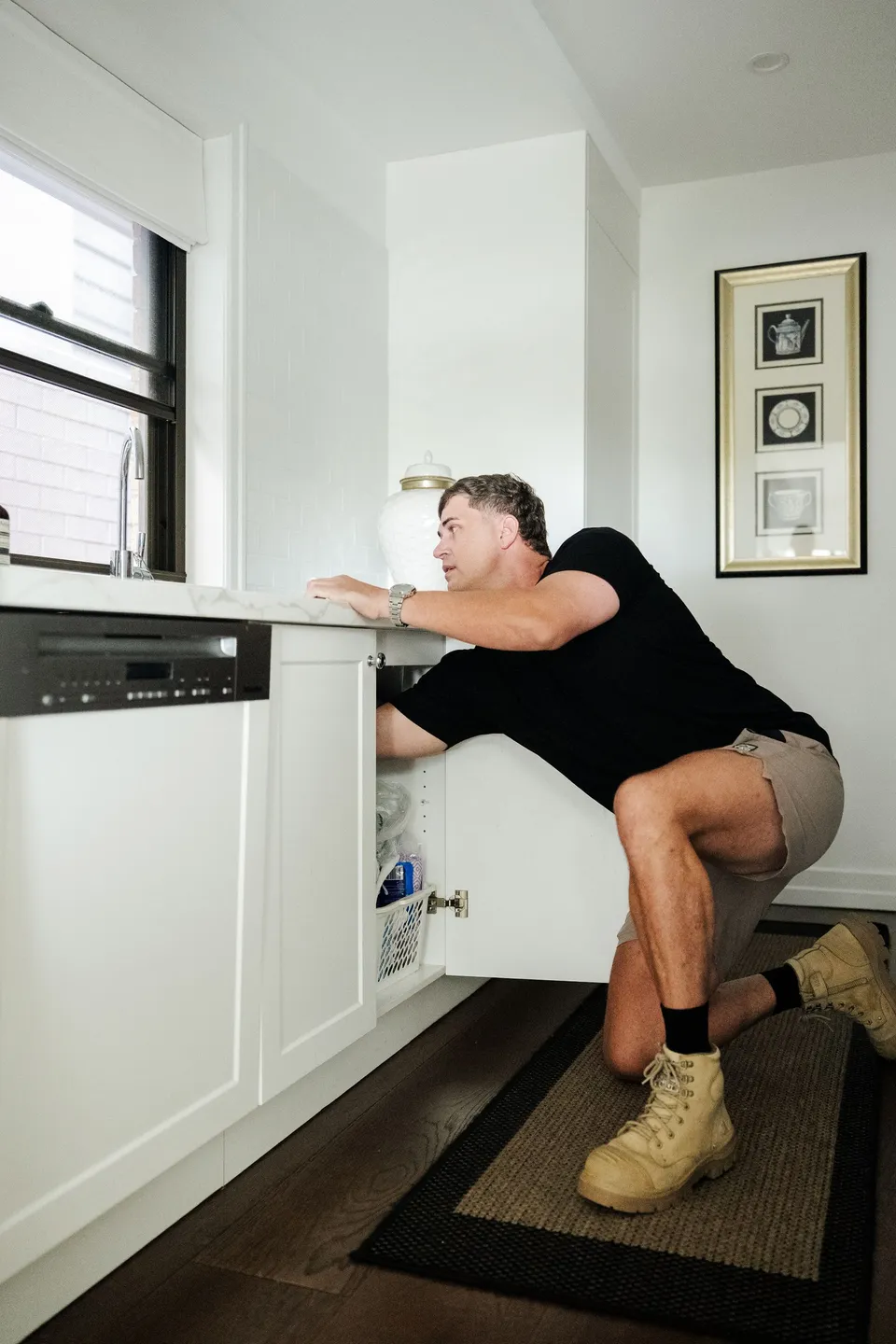
Most cooktop jobs here are replacements in established kitchens rather than fits in new builds. The suburb grew about 4.6 per cent over five years at area level, and approvals in 2021-22 added just 29 homes, so the stock barely turns over.
Those kitchens range from the 1960s and 1970s fill through to recent renovations. A bench from the original build may have its gas point where a different appliance once sat. A renovation on the blocks climbing Mount Nebo Road often means a rerouted line, and the fixed quote reflects which one it is.
How a Gas Cooktop Installation Works
- 1

Get in touch
Call (07) 3524 7137 or send a quick message about the job in The Gap, and we'll ask what we need to know.
- 2

We check the supply and the bench
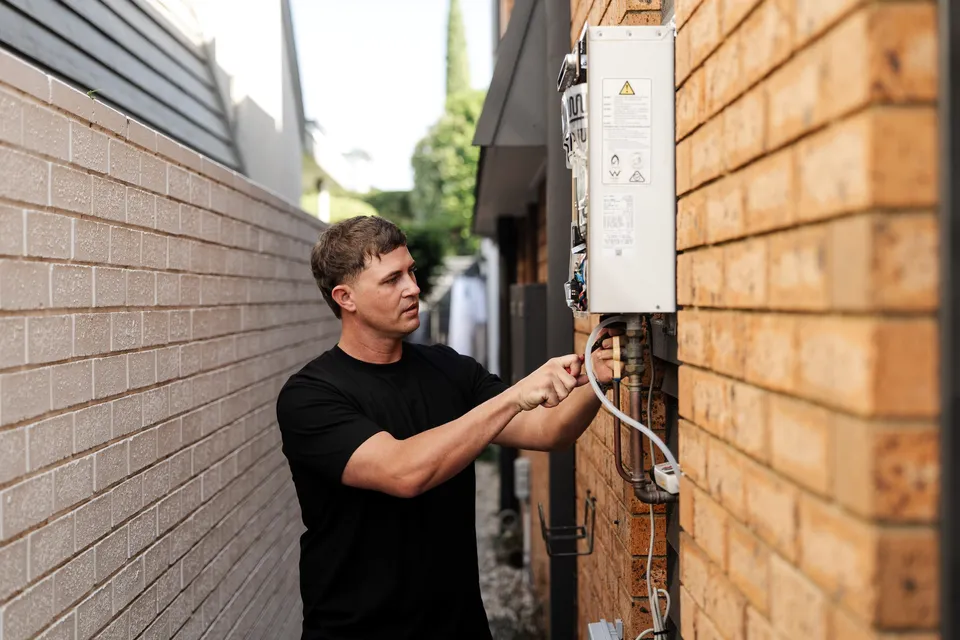
The gasfitter reads the appliance's installation sheet, confirms the supply will carry the added demand, and measures the clearances to the rangehood and cabinetry before the old unit comes out.
- 3
Sign off the quote
You'll see a fixed quote before any work starts, with flat-rate pricing and no hidden fees. The job starts when you're happy with it.
- 4

Pay once it's done
Pay by card or EFTPOS on site after the work's finished, or choose Fix now, pay later.
Plumbing job in The Gap?
$0 call-out fees, available 24/7, and same-day where we can.
Gas Cooktop Questions From The Gap Homes
Call (07) 3524 7137How much does gas cooktop installation cost in The Gap?
What you pay hinges on the gas point, the appliance, the supply checks and any conversion, and a fixed quote settles it before work starts.
Can a natural gas cooktop be converted to LPG?
Yes, if the manufacturer makes a conversion kit for that model. Switching an appliance between fuels is gas work, so a licensed gasfitter does the swap and tests the result.
Does my gas supplier need to know about a new appliance?
Yes, but only when a new gas system goes in, or when a job adds demand of 100 megajoules per hour or above on a metered supply. The licence holder informs the network operator.
Does a gas cooktop need clearance from walls and the rangehood?
Yes, the manufacturer's installation instructions set the clearances to the rangehood, cupboards and nearby surfaces, and the gasfitter sets the cooktop to those figures on the day.
Can I move my gas cooktop to a different spot?
Yes, though shifting the connection counts as gas work on the system, so a licensed gasfitter reruns the line in your The Gap kitchen and issues the compliance certificate at the end.

Call Us About Your Gas CooktopWe'll call you back.
Book on (07) 3524 7137 for plumbing anywhere in The Gap. We're available 24/7, there's no extra charge for nights, weekends or public holidays, and every job comes with $0 call-out fees.
To claim your $0 call-out fee, call (07) 3524 7137 today.