LPG vs Natural Gas at Home
Comparing lpg vs natural gas usually starts with the cooktop: can the old one come to the new house, and what is that bottle beside the barbecue actually feeding? The short answer sits in the supply. Natural gas is methane, piped to a home from a metered gas network, while LPG is liquefied petroleum gas, held in a cylinder or tank as a liquid that turns to gas for use.
If we're late, $100 comes off your bill

- Licensed and InsuredEvery job done by a licensed plumber. QBCC No: 15024607
- Fixed Quote FirstFlat-rate pricing, agreed before any work starts
- Lifetime Labour WarrantyBacked by our Fix-It-or-It's-Free guarantee (T&Cs apply)
- $0 Call-Out FeesNo extra charge for nights, weekends or public holidays
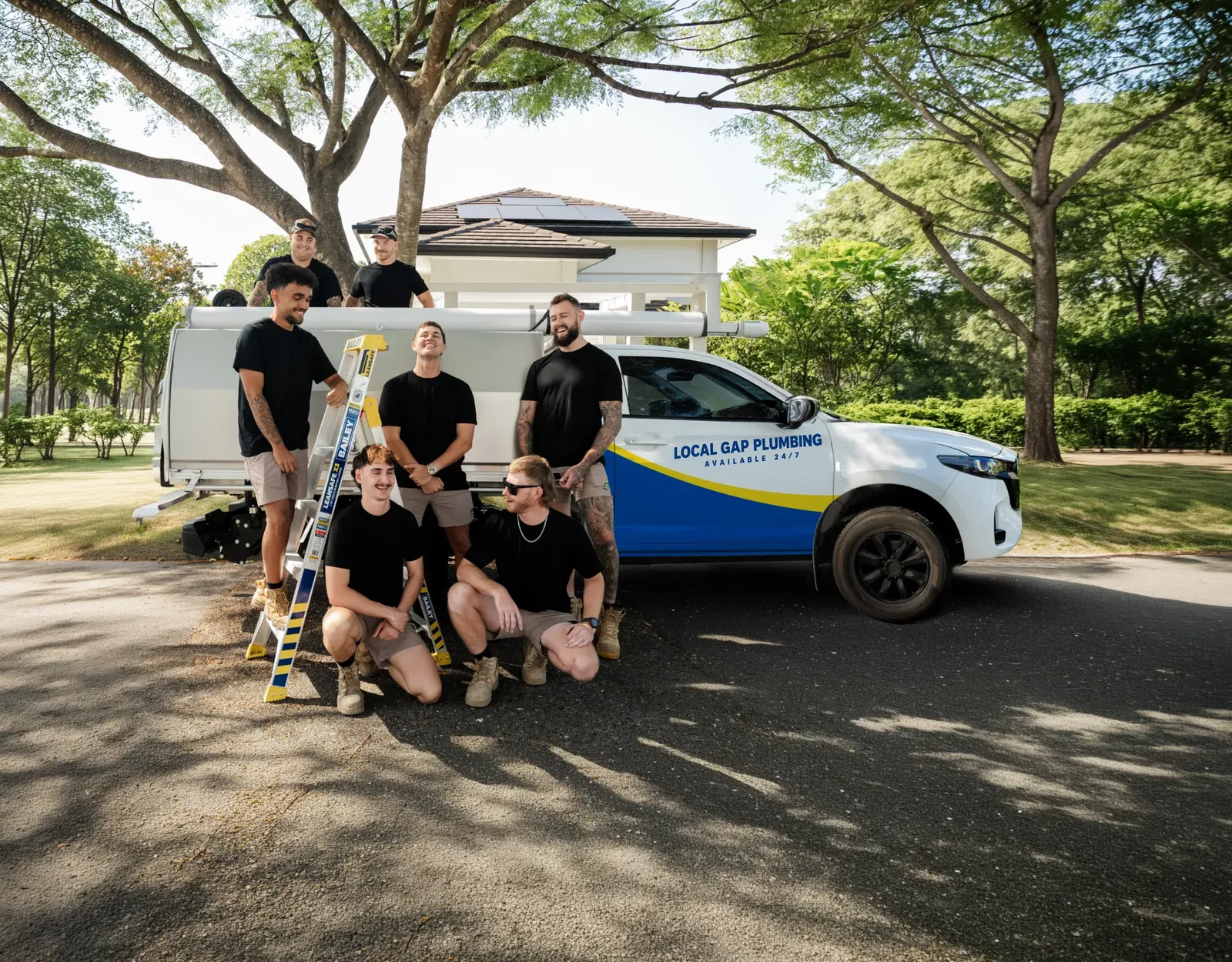
Gas work in Queensland belongs to licensed gasfitters, and every job on the gas side of a house is theirs alone. This guide works through the differences that matter for homes around The Gap. Most of the 5,914 dwellings recorded at the last census are detached houses, and the blocks nearest the D'Aguilar bushland are the kind that often run on bottles.
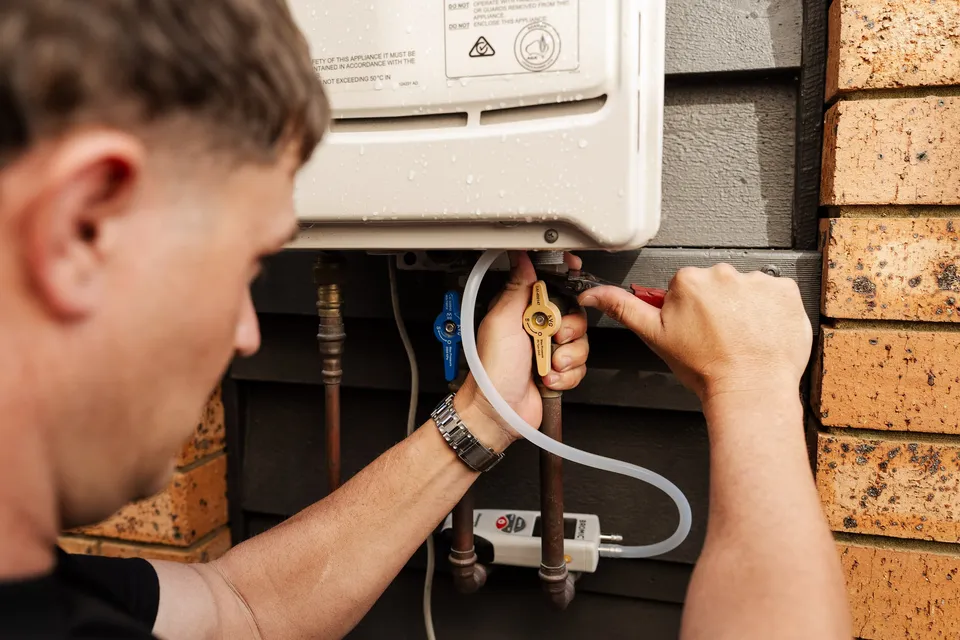
Pipe, Cylinder or Tank Supply Compared
Gas reaches a home in one of three ways: piped natural gas, piped (reticulated) LPG, or LPG from a cylinder or tank. So a pipe at the property line does not automatically mean natural gas, because some streets in Queensland are served by reticulated LPG instead.
The tell is the hardware outside. A cylinder or tank beside the wall means the home is on LPG. A meter means a piped supply, and the gas supplier can confirm whether that pipe carries natural gas or reticulated LPG.
Neither gas gives itself away by look or smell. Natural gas and LPG are both colourless and odourless in their natural state, so suppliers add a chemical called mercaptan. That is why any gas leak smells like rotten eggs, whichever supply feeds the house.
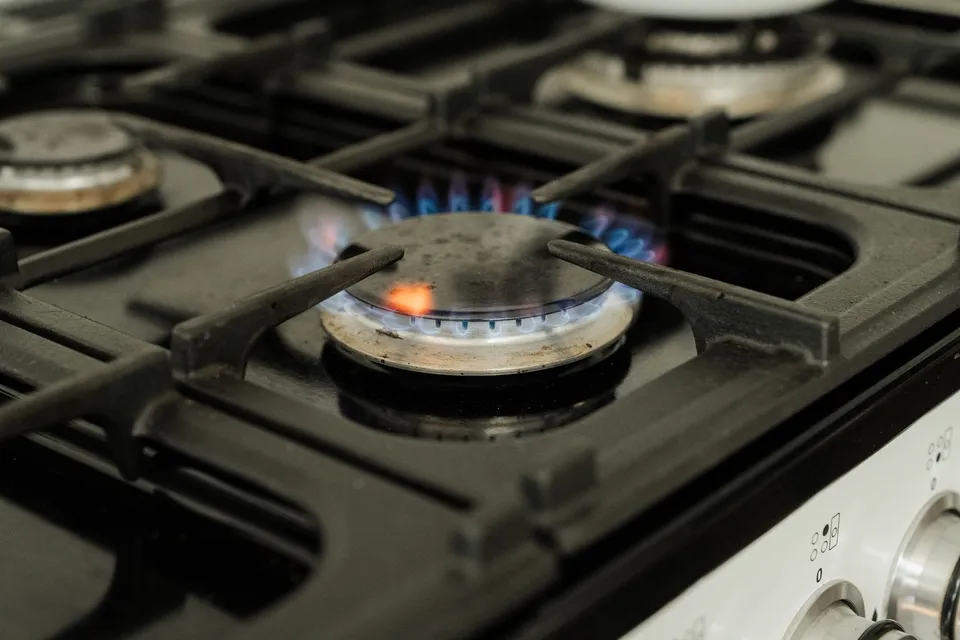
Which Gas Pools in Low Areas and Drains
A leak behaves differently depending on the gas. Natural gas is lighter than air and tends to rise, dispersing in open air, while LPG is heavier and sinks, collecting in low spots and drains.
That difference matters on sloping blocks. Homes here climb the valley walls, and a downhill courtyard, a sunken utility area or a gully trap can all sit low enough to catch escaping LPG.
Both gases are highly flammable but not poisonous or toxic. A space filled with fuel gas can still have its oxygen displaced, bringing on nausea, dizziness and, in the worst case, asphyxiation.
The Queensland Government's response steps are the same for either gas. Turn the appliance off, open doors and windows, and keep away from electrical switches.
If the smell stays, shut the supply off at the meter or cylinder, and call 000 if the smell persists. We will not rank the two gases for safety, because both deserve the same respect.
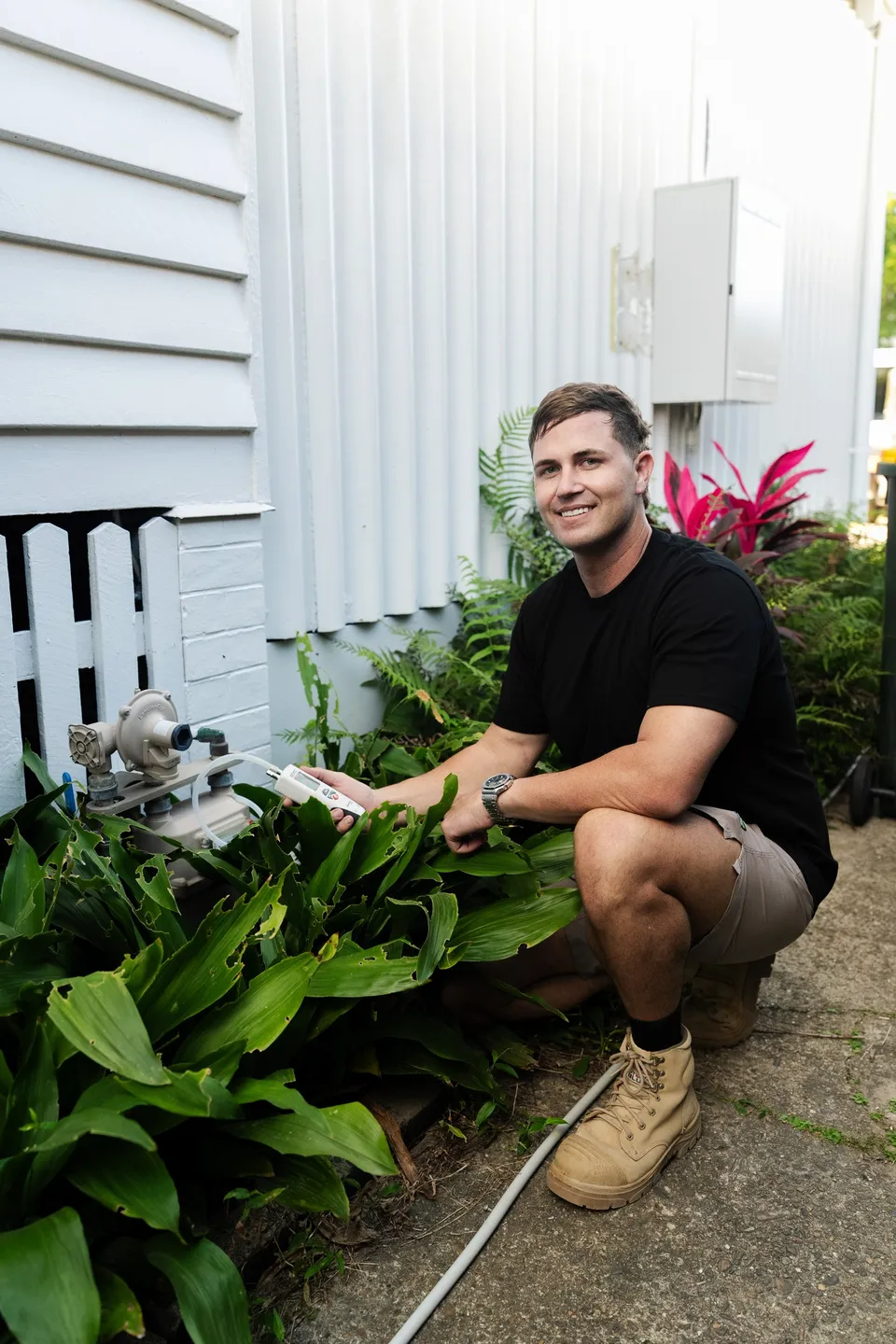
Is Gas Appliance Conversion a Licensed Job
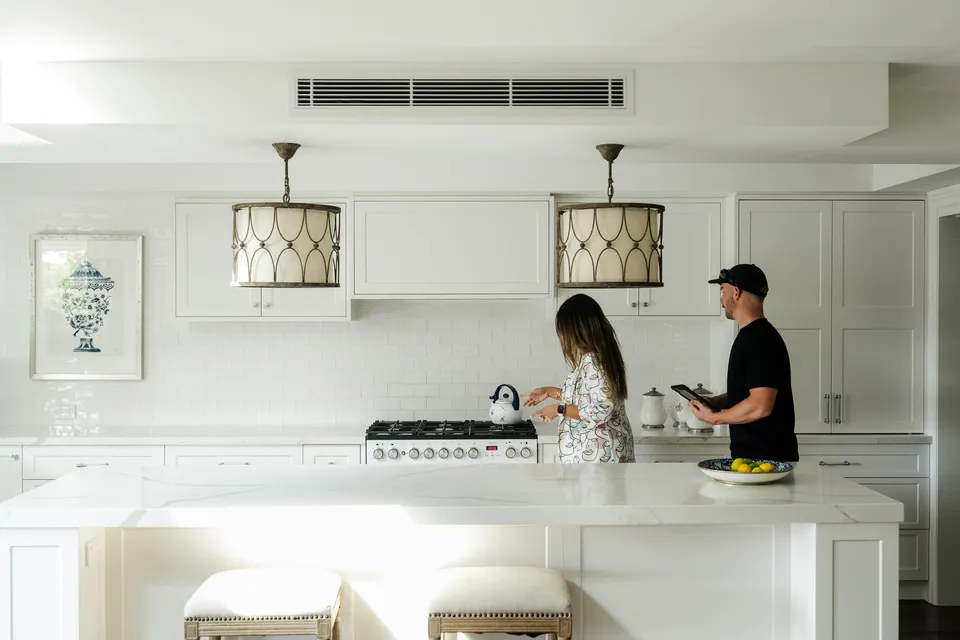
Yes, converting an appliance between natural gas and LPG is licensed gas work, and only a licensed gasfitter may carry it out. Most gas appliances are set up for one gas type, so moving a cooktop from a natural gas home to an LPG home means a proper conversion, not a swap of the hose.
The gasfitter does the conversion using parts supplied by the appliance maker, and only for models the maker supports with conversion parts. The gasfitter then tests the result before the appliance goes back into service. Queensland's gas work rules cover installing, removing, altering, repairing, servicing, testing and certifying a gas system, along with the pipework and connections, so there is no do-it-yourself version of this job.
One habit is worth forming with any gas tradesperson: ask to see the gas work licence before tools come out. It is a fair question, and a licence holder will have the card ready.
What the Rules Say About Gas Cylinders
A portable LPG cylinder, the barbecue and camping type that usually holds 9 kg, needs a current test stamp, renewed every ten years, before any station will fill it. Filling stations check the date on every cylinder, so an out-of-date bottle gets refused, not topped up.
The rules for carrying and storing cylinders are just as clear:
- Secure the cylinder in transit, and never carry a bottle inside the passenger compartment.
- Use and store each cylinder in a well-ventilated area, away from excess heat and ignition sources.
- Keep spare cylinders in a designated secure location, not beside the barbecue or under the stairs.
- Keep the valve sealed when a cylinder is not in use, even an empty one.
For cylinders that stay connected to a home supply, the LPG distributor maintains and tests each bottle. A gas smell or a damaged cylinder means phoning the distributor, and a repair or removal of a cylinder valve is never a job for the householder. Check bottles now and then for the rotten-egg smell that flags a leak.
When to Call a Plumber
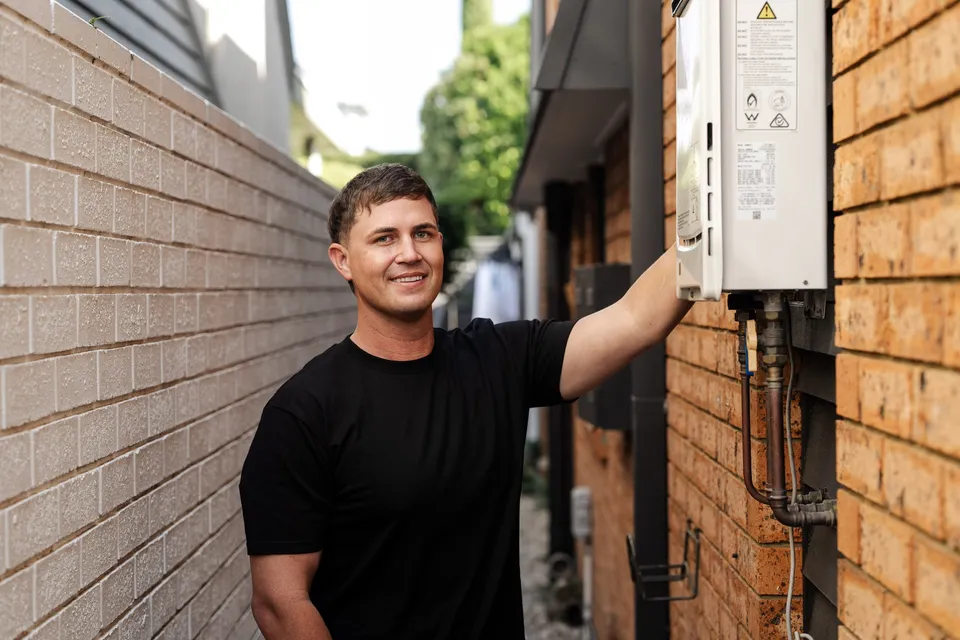
Ring us whenever the gas side of the house needs attention: a cooktop or heater to convert, a new bayonet point, or a smell you cannot pin down. For a new or replacement cooktop, our gas cooktop installation page sets out what the job involves.
Gas appliances should also be checked and serviced periodically by a licensed gasfitter, and used according to the manufacturer's instructions. That routine suits the older sixties-and-seventies housing belt that makes up much of this suburb, where original heaters and cooktops are still common.
Gas Questions From The Gap Homes
Call (07) 3524 7137Is LPG heavier than air?
Yes, LPG is heavier than air, so a leak can pool in low areas and drains. Natural gas is lighter than air, so a leak tends to rise and may disperse in open air. Neither gas is poisonous, but both burn readily, so treat any smell of gas as urgent.
How can I tell if my The Gap home uses LPG or natural gas?
Look at the hardware outside. A cylinder or tank beside the wall means your The Gap home is on LPG. A meter means a piped supply, which can carry natural gas or reticulated LPG, so your gas supplier confirms which one serves the address.
Can I carry a gas cylinder in my car?
Yes, as long as the cylinder rides secured upright in the tray or boot, never inside the passenger compartment. Keep the valve sealed for the whole trip. On arrival, move the bottle straight to a well-ventilated spot away from heat and ignition sources.
How should I store a spare gas cylinder at home?
Keep spare cylinders at your The Gap home in a designated secure location, somewhere well ventilated and away from excess heat and ignition sources. Stand each cylinder upright so the bottle cannot fall, and keep the valve sealed whenever the cylinder is not in use, even when empty. Never repair or remove a cylinder valve yourself.

Talk to Us About Your Gas SupplyWe'll call you back.
Book on (07) 3524 7137 for plumbing anywhere in The Gap. We're available 24/7, there's no extra charge for nights, weekends or public holidays, and every job comes with $0 call-out fees.
To claim your $0 call-out fee, call (07) 3524 7137 today.